
 See Our Latest Article on HelloNation
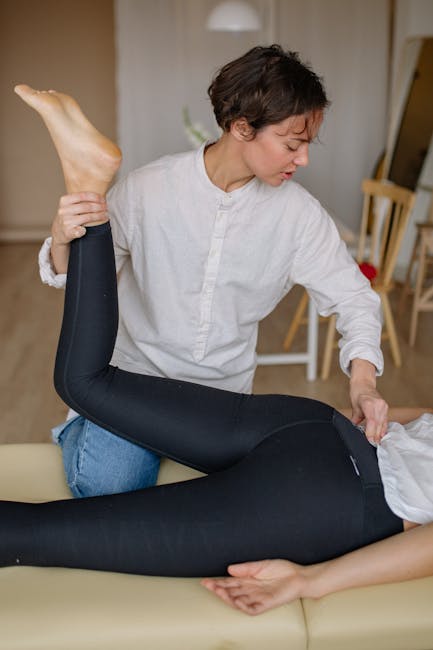
Whiplash is a common injury after car accidents, sports mishaps, or any sudden impact that forces the neck to jerk suddenly back and forth. For many in Jamestown, New York—where winter roads can be treacherous and an active lifestyle is the norm—understanding how to manage whiplash can be the key to a faster, healthier recovery. Here, we’ll discuss practical steps and professional advice for managing whiplash after an accident, with a focus on the needs of Jamestown residents.
What is Whiplash?
Whiplash is a type of neck injury caused by a rapid, forceful back-and-forth movement, similar to the cracking of a whip. It primarily affects the muscles, discs, nerves, and tendons in your neck. Symptoms may appear immediately or hours to days after the incident and can include:
- Neck pain and stiffness
- Headaches, often starting at the base of the skull
- Loss of range of motion in the neck
- Tingling or numbness in the arms
- Fatigue and dizziness
- Tenderness in the shoulders, upper back, or arms
If you experience any of these symptoms after an accident in Jamestown, it’s best to seek medical attention promptly.
Immediate Steps to Take After a Car Accident or Fall
Safety comes first. If you’ve been involved in a car accident or a slip-and-fall—a common occurrence during icy Jamestown winters—pay close attention to any pain or discomfort in your neck.
- Apply Ice: Use an ice pack on your neck for 15-20 minutes every 3-4 hours for the first 48-72 hours after the injury. This helps reduce inflammation and relieve pain.
- Support Your Neck: Avoid sudden movements, and use a soft neck pillow for additional support if necessary.
- Pain Management: Over-the-counter pain relievers such as acetaminophen or ibuprofen can help manage pain while your body begins to heal.
- Document Your Symptoms: Keep a written log of your symptoms and their severity. This can be helpful if you’re dealing with insurance claims or seeking further medical treatment.
When to Visit a Healthcare Professional
Even mild cases of whiplash should be evaluated by a health professional—particularly in Jamestown, where regular activities might involve shoveling snow, hiking in Allegany State Park, or participating in local sports leagues.
Seek immediate medical care if you experience:
- Severe or worsening neck pain
- Numbness, weakness, or tingling in the arms or legs
- Difficulty with coordination or walking
- Blurred vision or memory problems
A trained Jamestown chiropractor or primary care physician can assess the injury and develop a treatment plan tailored to your needs and lifestyle.
Chiropractic Care and Physical Therapy
Many Jamestown residents benefit from chiropractic care and physical therapy after experiencing whiplash. These treatments can help restore mobility, relieve pain, and support a quicker recovery.
- Chiropractic Adjustments: These gentle, targeted manipulations help realign your spine, reduce pain, and encourage healing.
- Personalized Exercise Programs: Physical therapy exercises designed specifically for whiplash focus on regaining strength, flexibility, and range of motion.
- Massage Therapy: Often, muscle tightness is a secondary result of whiplash. Massage can help loosen these muscles, increasing blood flow and promoting healing.
Ask your chiropractor for a referral to a local specialist or for recommendations tailored to Jamestown’s unique local lifestyle and climate.
Self-Care Strategies for Healing at Home
While professional care is essential, many aspects of whiplash recovery can be managed at home. Incorporate these tips into your daily routine in Jamestown:
- Continue Gentle Movement: Avoid complete bed rest, which can slow recovery. Gentle neck movements as recommended by your healthcare professional help maintain flexibility.
- Stay Active Safely: Adjust your activities—consider indoor walking on icy winter days or gentle swimming at the Jamestown YMCA—to avoid additional strain while staying engaged.
- Optimize Your Workstation: Many locals work remote or at home. Set up your desk so the monitor is at eye level, use an ergonomic chair, and take frequent breaks to stretch.
- Monitor Your Progress: Note any worsening of symptoms or new issues, and report these to your healthcare provider promptly.
Returning to Work and Activities in Jamestown
Returning to work—and your favorite Jamestown activities—depends on the severity of your whiplash and the advice of your healthcare provider. Here are some guidelines:
- Start Gradually: Ease back into physical activity with care. Avoid heavy lifting, impact sports, or extensive travel (like long drives for work or to visit Chautauqua Lake) until you have clearance from your provider.
- Communicate With Employers: If your job at Cummins, UPMC Chautauqua, or another local employer is physically demanding, discuss temporary adjustments or light-duty assignments.
- Participate in Local Support Groups: Jamestown has a strong sense of community—consider joining local support or wellness groups for encouragement and advice during your recovery.
Preventing Future Whiplash Injuries
While some accidents are unavoidable, you can reduce your risk of future whiplash:
- Drive Carefully: Take extra caution on icy Jamestown roads, especially during the winter months. Keep a safe distance between vehicles and always wear your seatbelt.
- Use Proper Sports Techniques: If you’re involved in local hockey or soccer leagues, use the correct equipment and follow best practices for injury prevention.
- Maintain Good Posture: Whether you’re cheering on the Jamestown Tarp Skunks or attending cultural events at the National Comedy Center, sitting and standing with good posture can reduce vulnerability to injury.
Final Thoughts
Managing whiplash after an accident requires a combination of immediate care, professional treatment, and lifestyle adjustments. If you’re in Jamestown, NY, remember that local healthcare providers are well-equipped to help you recover efficiently, so you can get back to enjoying everything our vibrant community has to offer—rain, snow, or shine.
If you suspect you’re dealing with whiplash or any neck pain following an accident, don’t hesitate to seek expert help. Taking swift, informed action will put you on the best path back to comfort and health.
