
 See Our Latest Article on HelloNation
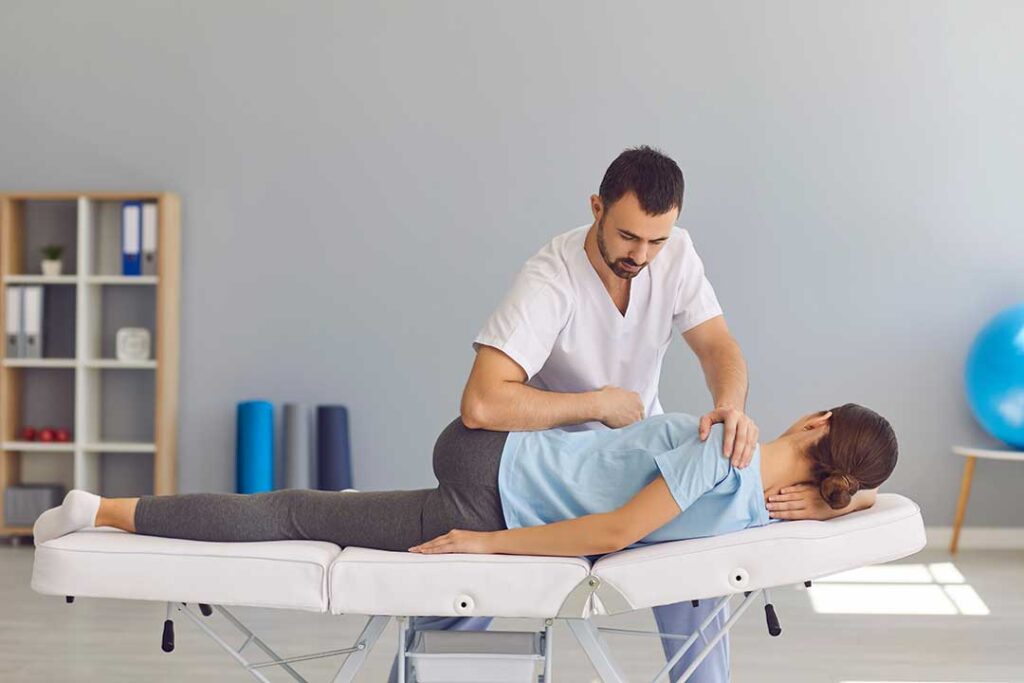
Spinal health affects far more than comfort. The condition of the spine can influence movement, sleep, work capacity, mood, balance, and the ability to participate in ordinary activities. For residents of Jamestown, NY, understanding these connections can make it easier to recognize early problems and support long-term physical function.
What does spinal health include?
Spinal health refers to how well the bones, joints, discs, muscles, ligaments, nerves, and surrounding tissues work together. A healthy spine is not necessarily perfectly straight or completely free of occasional stiffness. Instead, it should allow a person to move, rest, and perform daily activities without persistent pain or significant limitation.
The spine supports the head and torso while protecting the spinal cord. It also helps transfer force between the upper and lower body. Bending to tie a shoe, turning to check traffic, carrying groceries, walking on uneven ground, and sitting at a desk all require coordinated spinal movement.
Problems may develop from injuries, arthritis, disc changes, muscle weakness, prolonged inactivity, repetitive work, poor sleep, or a combination of factors. In many cases, spinal discomfort is influenced by more than one structure or behavior.
How can spinal problems affect quality of life?
Spinal symptoms can reduce quality of life by limiting what a person can do and how confidently they can move. Even moderate discomfort may change everyday choices.
Someone with low back pain may avoid:
- Walking for exercise
- Lifting laundry or household items
- Gardening, shoveling, or home maintenance
- Driving for longer periods
- Playing with children or grandchildren
- Participating in recreational activities
- Sitting or standing through work or social events
These changes can gradually lead to reduced strength and endurance. Avoiding movement may also increase concern about reinjury, creating a cycle in which fear and stiffness make activity feel more difficult.
Research involving adults with back pain has found that higher levels of physical activity are associated with better health-related quality of life. This does not mean that every painful condition should be pushed through exercise, but it does support the value of safe, gradual movement when appropriate. ([pubmed.ncbi.nlm.nih.gov](https://pubmed.ncbi.nlm.nih.gov/31869821/?utm_source=openai))
Why does spinal health influence sleep?
Pain and sleep affect each other. Back or neck discomfort may make it difficult to find a comfortable position, turn in bed, or remain asleep. Poor sleep can then increase fatigue and reduce the body’s ability to cope with discomfort during the day.
Persistent spinal pain is also associated with higher levels of sleep difficulty, pain intensity, and disability. A person who sleeps poorly may have less patience, reduced concentration, and less energy for physical activity. ([pubmed.ncbi.nlm.nih.gov](https://pubmed.ncbi.nlm.nih.gov/42320269/?utm_source=openai))
Practical steps that may help include:
- Changing position periodically rather than remaining still for long periods
- Using pillows to support a comfortable sleeping posture
- Keeping a consistent sleep and wake schedule
- Limiting strenuous activity immediately before bed
- Discussing ongoing nighttime pain or numbness with a qualified health professional
A mattress or pillow is not a universal solution. Comfort, sleep position, body size, and the source of symptoms all matter.
Can spinal health affect mood and concentration?
Yes. Ongoing pain can affect mood, attention, motivation, and social participation. This does not mean that spinal pain is “just psychological.” It means that pain is a whole-body experience involving the nervous system, sleep, physical activity, emotions, and daily stress.
A person who is constantly monitoring pain may find it harder to concentrate at work or school. Frustration can increase when routine tasks take longer or when activities must be avoided. Reduced activity and isolation may further affect emotional well-being.
Addressing spinal health therefore involves more than focusing on a single painful spot. Useful care may include appropriate physical activity, sleep support, stress management, ergonomic adjustments, and evaluation of medical factors that could be contributing to symptoms.
What daily habits support the spine?
The spine generally benefits from regular movement, adequate strength, and sensible progression of physical demands. Long periods of sitting are common during driving, desk work, computer use, and screen-based leisure. Breaking up sitting with brief movement can help reduce stiffness.
Helpful habits include:
- Walk regularly at a comfortable pace.
- Strengthen the legs, hips, abdomen, and upper back gradually.
- Use controlled movements rather than sudden twisting while lifting.
- Keep loads close to the body when carrying them.
- Change positions during work, travel, and household tasks.
- Increase activity gradually after periods of inactivity.
- Avoid treating pain as a test of toughness.

In Jamestown, seasonal conditions can add practical challenges. Snow and ice may encourage more cautious movement, while shoveling, clearing steps, carrying firewood, and preparing homes for winter can place sudden demands on the back and shoulders. Shorter work periods, lighter loads, stable footwear, and planned rest may reduce strain.
Exercise should be adapted to the individual. A new or worsening symptom, especially one that travels into an arm or leg, may require medical assessment before activity is increased.
Is posture the main cause of spinal pain?
Posture can influence comfort, but it is rarely the only explanation for spinal pain. There is no single perfect posture that prevents every problem. Staying in one position for too long may be more irritating than briefly sitting or standing in a less-than-ideal position.
A practical approach is to vary posture, adjust the height of work surfaces, keep frequently used objects within easy reach, and take movement breaks. At home, this may mean changing positions during television viewing or using a stable surface while folding laundry, cooking, or doing paperwork.
Pain may also occur in people with apparently good posture, and people with naturally different postures may have no symptoms. A complete assessment considers activity patterns, strength, mobility, injury history, sleep, health conditions, and nerve symptoms.
When should spinal symptoms receive prompt attention?
Many episodes of back or neck pain improve with time and appropriate self-care. Prompt medical evaluation is warranted after a serious fall, collision, or other significant injury, or when symptoms are severe, rapidly worsening, or interfering substantially with normal function.
Urgent attention is especially important for back pain accompanied by:
- New loss of bladder or bowel control
- Numbness around the groin or inner thighs
- Progressive weakness in an arm or leg
- Difficulty walking or maintaining balance
- Fever, unexplained weight loss, or a history of cancer
- Severe pain after a major impact
These symptoms can indicate conditions requiring evaluation beyond routine musculoskeletal care. MedlinePlus also advises medical attention for back pain following a severe blow or fall. ([medlineplus.gov](https://medlineplus.gov/ency/article/007425.htm?utm_source=openai))
How does chiropractic care fit into spinal health?
Chiropractic care is one approach used for certain musculoskeletal conditions involving the spine and surrounding joints. Depending on the situation, care may include an examination, movement advice, exercises, manual techniques, or referral for additional evaluation.
A responsible approach begins with identifying whether symptoms appear appropriate for conservative musculoskeletal care. Chiropractic treatment should not replace emergency evaluation when warning signs are present, nor should spinal manipulation be assumed to be suitable for every person or every diagnosis.
The broader goal is functional: improving a person’s ability to move, sleep, work, and participate in normal activities safely. Spinal health is best understood as part of overall health rather than as a separate concern limited to the back or neck.
