
 See Our Latest Article on HelloNation
Can Chiropractic Adjustments Help Alleviate PMS Symptoms?
Some residents in Jamestown, NY wonder if chiropractic adjustments can make a difference with symptoms of premenstrual syndrome (PMS), such as cramps, mood swings, or fatigue. While scientific evidence remains limited, some individuals have reported experiencing relief. Chiropractic care focuses on spinal alignment and nervous system health, which are sometimes thought to influence the severity of PMS symptoms.
What PMS Symptoms Are Most Common Locally?
The most reported PMS issues among local residents usually include:
- Abdominal cramping
- Bloating and digestive discomfort
- Headaches or migraines
- Mood changes such as irritability, sadness, or anxiety
- Back pain or generalized muscle aches
- Difficulty sleeping
PMS can be especially challenging during colder, darker months, when those in the city often spend more time indoors and may have reduced physical activity. Local climate and lifestyle shifts can sometimes intensify symptoms, making practical management strategies especially valuable.
How Do Chiropractors Approach PMS Symptom Relief?
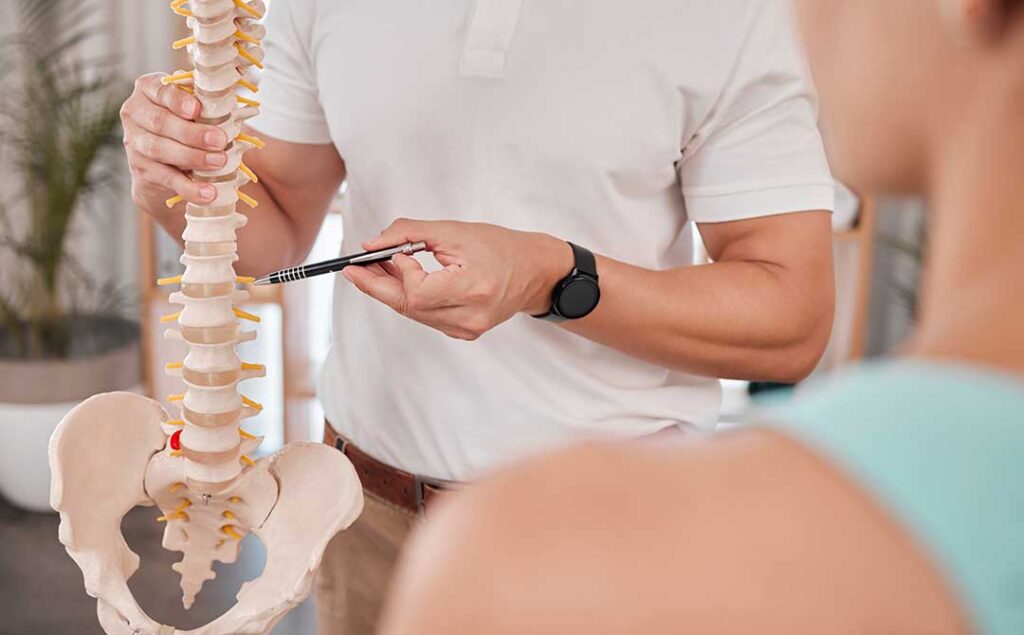
Chiropractors commonly assess the alignment of the spine, particularly the lower back and pelvic regions, during the menstrual cycle. The idea is that spinal misalignments (often called "subluxations") can interfere with nerve function, which in turn may contribute to muscle tension, poor circulation, and pain.
For PMS, typical chiropractic adjustments might focus on:
- Relieving lower back and pelvic tension, which sometimes reduces cramping or radiating pain
- Improving spinal mobility to assist with posture and movement, which may help with overall comfort
- Addressing nervous system pathways that could influence mood and sleep patterns
Residents may notice, for example, less muscle tightness or improved ease of movement after an adjustment, which might make day-to-day tasks more manageable during PMS.
Is There Scientific Evidence to Support Chiropractic Treatment for PMS?
Currently, large, well-designed clinical studies on this specific question are lacking. Most available research includes small case studies or anecdotal reports. Some individuals do report experiencing symptom improvements—particularly with lower back discomfort and headaches—after spinal adjustment.
Medical researchers generally agree more study is needed to determine clear benefits and risks. Any improvement in PMS symptoms is likely influenced by several factors, including exercise, stress reduction, diet, and routine sleep habits, alongside any chiropractic care.
Are There Risks or Downsides?
For most generally healthy adults, chiropractic adjustments carry low risk. However, some people may experience mild soreness, stiffness, or fatigue after a session. Those with certain conditions—such as severe osteoporosis, spinal injuries, or unaddressed bleeding disorders—may be advised to avoid or modify treatments. Residents experiencing severe or unexplained symptoms (such as sudden, intense pelvic pain or abnormal bleeding) should consult qualified medical professionals.
What Local Factors May Influence PMS and Spinal Health?
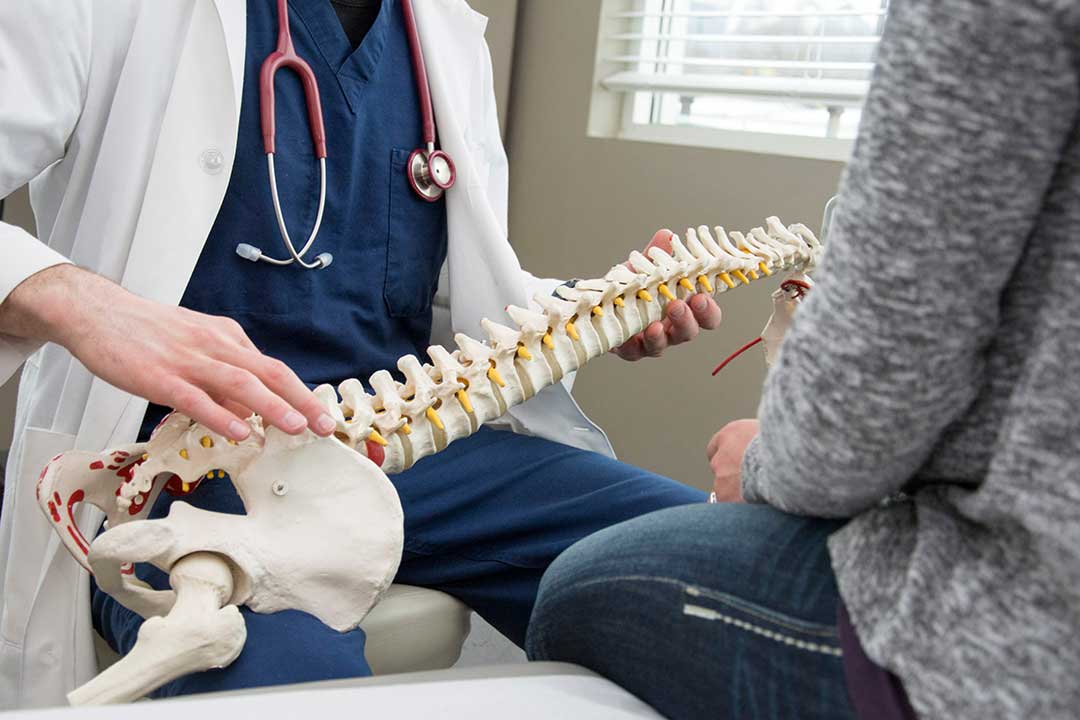
Lifestyle in Jamestown often changes with the seasons. During long winters, many spend more hours sitting, indoors, or in front of screens. Prolonged sitting can contribute to postural issues, increased muscle stiffness, and back pain, which can aggravate PMS-related discomfort.
In contrast, local summer activities like walking, gardening, or swimming can encourage natural pelvic and spinal mobility, sometimes leading to milder symptoms.
Area residents also frequently report stress about weather-related household maintenance, transportation delays, or heating costs. Stress and inadequate sleep are both linked to increased severity of PMS symptoms, as well as to muscle tension that might respond to spinal adjustments.
What Other Approaches Can Help With PMS?
Medical guidelines typically recommend a combination of lifestyle strategies and, if needed, medication. These might include:
- Moderate exercise: Even gentle stretching or walking can ease cramps and boost mood.
- Heat therapy: Heating pads or warm baths are commonly used for abdominal or back pain.
- Mindfulness and relaxation: Breathing exercises, yoga, or meditation may help with irritability or anxiety.
- Balanced meals and hydration: Consistent nutrition can help minimize bloating and energy swings.
Chiropractic adjustments are sometimes used alongside these home remedies. Some residents find that combining approaches—such as exercise, proper sleep, and spinal care—provides a more noticeable improvement than one method alone.
Common Misconceptions About Chiropractic Care for PMS
It's a misconception that spinal adjustments are a cure for PMS. While some individuals feel better after care, others notice little change. It can be helpful for local residents to view chiropractic as a potential supportive option, rather than a stand-alone solution.
Another myth is that adjustments are always painful or risky. Most are gentle, brief, and cause minimal discomfort, especially when performed by licensed and experienced professionals.
When Should Residents Consider Medical Care for PMS?
If PMS symptoms interfere with work, school, or daily life, or if new or severe symptoms occur (such as heavy bleeding or ongoing pelvic pain), evaluation by a primary care provider or gynecologist is essential. While spinal care may be helpful as part of symptom management, it does not replace medical assessment or treatment for underlying conditions.
