
 See Our Latest Article on HelloNation
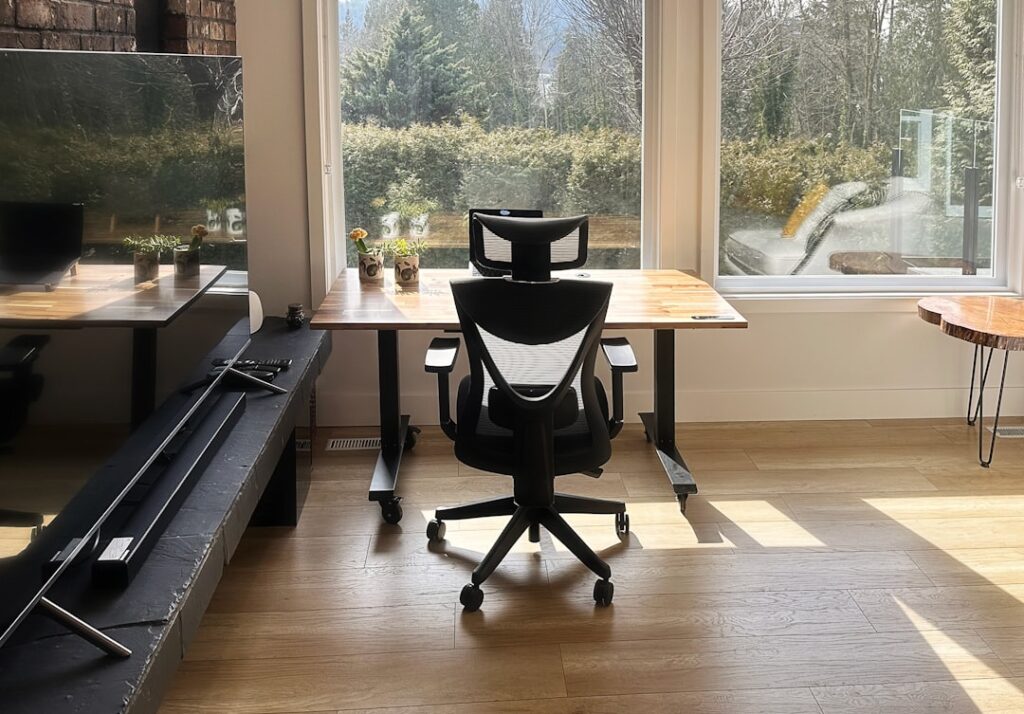
Schoolwork, reading, and digital learning are core parts of students’ lives in Jamestown, New York. Whether your child is attending Jamestown High School, exploring the resources at the James Prendergast Library, or participating in after-school activities at local community centers, posture and ergonomic habits are essential to their well-being. Poor study habits and improper workstation setups are leading contributors to back pain, headaches, and fatigue in children and teens.
As a chiropractor with deep roots in our western New York community, I’ve seen first-hand how local climate, home layouts, and extracurricular routines impact the health of Jamestown’s youngest residents. Here’s a comprehensive guide to ergonomic tips for students and children, tailored to our local lifestyle, to help your family stay healthy all year round.
Why Ergonomics Matter: Foundations for Young Learners
Proper ergonomics isn’t just about preventing back pain. For growing children and teens, healthy ergonomic habits:
- Support proper spinal development
- Minimize fatigue and discomfort during long homework sessions
- Reduce the risk of developing musculoskeletal issues later in life
- Improve focus by reducing fidgeting caused by discomfort
With Jamestown’s chilly winters, local students often spend extended hours studying indoors. This makes an ergonomic study space even more important for comfort and sustained learning.
Creating the Ideal Study Space at Home
Many historic Jamestown homes feature cozy nooks and modified rooms for family activities. While these spaces are beloved, they’re not always ergonomically friendly for today’s digital learning demands.
- Desk Height: Choose a desk or table where your child can keep their forearms parallel to the floor while typing or writing. Elbows should rest comfortably at a 90-degree angle.
- Chair Support: Select a chair with firm lower back (lumbar) support to maintain the spine’s natural curve. If the seat is too deep, consider adding a cushion or folded towel behind the lower back for extra support.
- Feet Placement: Both feet should rest flat on the floor. For shorter children, use a footrest or a sturdy box to avoid dangling legs, which can strain lower back muscles.
- Monitor Position: The top of a computer screen should be at or just below eye level and about an arm’s length away to discourage slouching and neck strain.
Setting Up for Digital Learning
Digital devices are integral to Jamestown students, with Chromebooks and tablets often provided by local schools. Hold virtual learning setups to the highest ergonomic standards:
- Device Stands: Use a laptop or tablet stand to raise screens, paired with an external keyboard and mouse if possible. This prevents “tech neck” caused by looking down for long periods.
- Screen Time Breaks: Encourage children to follow the 20-20-20 rule: every 20 minutes, look at something 20 feet away for 20 seconds. This supports healthy eyes and posture.
- Room Lighting: Use a desk lamp or natural light from windows to reduce eye strain—essential during shorter winter days common in western New York!
Backpack Safety for Students in Jamestown
Walking to Lincoln Elementary or catching the bus on snowy mornings, Jamestown students often carry heavy backpacks. Protect their growing spines with these tips:
- Weight Limits: Backpacks should never weigh more than 10-15% of your child’s body weight.
- Dual Straps: Use both shoulder straps, and ensure they’re padded and adjusted so the bag sits high on the back—just below the shoulders, never sagging at the waist.
- Pack Smart: Lighter items go in front compartments; heavier books should rest closest to the back.
Healthy Habits for Homework and Reading
Long hours of study, particularly during cold Jamestown winters, can create habits that contribute to tension and injury.

- Movement Breaks: Set a timer so your child stands, stretches, and moves for a few minutes every 30-45 minutes.
- Supported Seating: Avoid studying on beds or soft couches that promote slouching. If space is tight, add lumbar support and use a tray or lap desk.
- Reading Posture: Books and tablets should be propped up at eye level using a bookstand, not held in the lap for extended periods.
Encouraging Physical Activity in Jamestown’s Seasonal Climate
Winter weather in Jamestown can mean months of snow and limited time outdoors, so it’s important to supplement sedentary periods with movement:
- Active Breaks: Jumping jacks, walking laps around the house, or a quick dance break to favorite music helps loosen tight muscles.
- Community Resources: Take advantage of the Jamestown YMCA, local ice rinks, or Parks & Recreation activities for indoor movement during colder months.
- Winter Gear: Investing in proper outerwear encourages children to spend time outside even on brisk days, balancing out indoor desk time.
Talk to Your Child About Body Awareness
Kids are more likely to develop healthy habits when they understand why they matter:
- Body Signals: Encourage them to notice when they’re fidgety, tired, or sore. Early awareness is key to long-term spinal health.
- Habit Check-Ins: Periodically review their desk setup together, especially as children grow and their needs change.
When to Seek Professional Help
If your child frequently complains of headaches, back, neck, or shoulder pain, or if you notice slouching that persists despite corrections, it may be time to consult with a healthcare provider. As a Jamestown chiropractor, I work with children, parents, and schools to address these issues through personalized recommendations, stretches, and ergonomic education.
Conclusion: Building Lifelong Health in Jamestown’s Youth
Ergonomics is an investment in your child’s lifelong health, academic success, and overall happiness. With just a few adjustments to your home and daily routines, you can help your child avoid discomfort and prevent injuries while supporting healthy development—no matter how many hours they spend with books or at the computer. Let’s embrace these small changes today for a healthier Jamestown tomorrow.
