
 See Our Latest Article on HelloNation
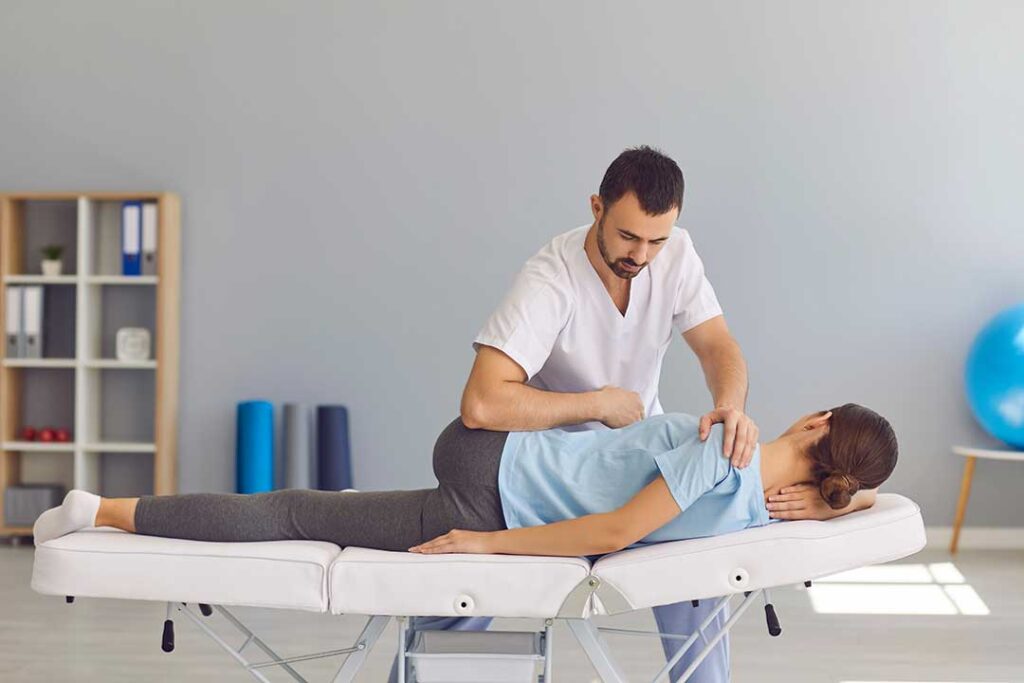
What Is the Graston Technique, and How Does It Work?
The Graston Technique is a manual therapy used by some chiropractors and physical therapists to address soft tissue injuries and mobility issues. This technique uses specialized metal instruments to gently scrape and massage the skin over areas of chronic muscle tightness, scar tissue, or injury. The goal is to break up restrictions, promote healing, and improve movement.
Practitioners move these instruments—often made of stainless steel—over the skin in a series of specific patterns. The tools are designed to help identify and treat areas where tissue is thickened or scarred. Residents in Jamestown looking for alternatives to traditional hands-on therapies may hear about this technique as an option for various musculoskeletal conditions, particularly after sports injuries, repetitive strain, or lengthy periods of inactivity during colder months.
What Conditions Is the Graston Technique Commonly Used For?
The Graston Technique is most often used for soft tissue problems that don’t resolve with rest, stretching, or standard self-care. Examples include:
- Tendonitis, especially in elbows (such as "tennis elbow")
- Plantar fasciitis (foot pain)
- Scar tissue after surgery or injury
- Chronic neck or back tightness
- Shin splints and IT band issues in legs
People in the city frequently experience conditions like repetitive strain from factory work, snow shoveling, or long winter commutes. Scar tissue and chronic tightness can accumulate after seasons of limited outdoor activity or periods of recurring strain. This therapy may be considered by those who have persistent pain or loss of motion despite other conservative treatments.
How Is a Graston Session Different From Standard Massage or Chiropractic Adjustments?
While the Graston Technique may look somewhat like a deep tissue massage, its methods and objectives are distinct. The main differences include:
- Use of stainless steel instruments, not just hands
- Targeting specific restrictive tissue, not just general muscle relaxation
- Practitioner seeks to change the actual structure of scar tissue or adhesions
- Sessions can produce redness and sometimes mild bruising
Jamestown’s weather patterns and seasonal tasks often lead residents to develop stiff or overused muscles—regular massage can ease tension, but Graston is focused on breaking down underlying restrictions. Chiropractic adjustments mainly target spinal alignment and joint movement, whereas Graston aims at soft tissue repair and remodeling.
What Should Residents Expect During Treatment?
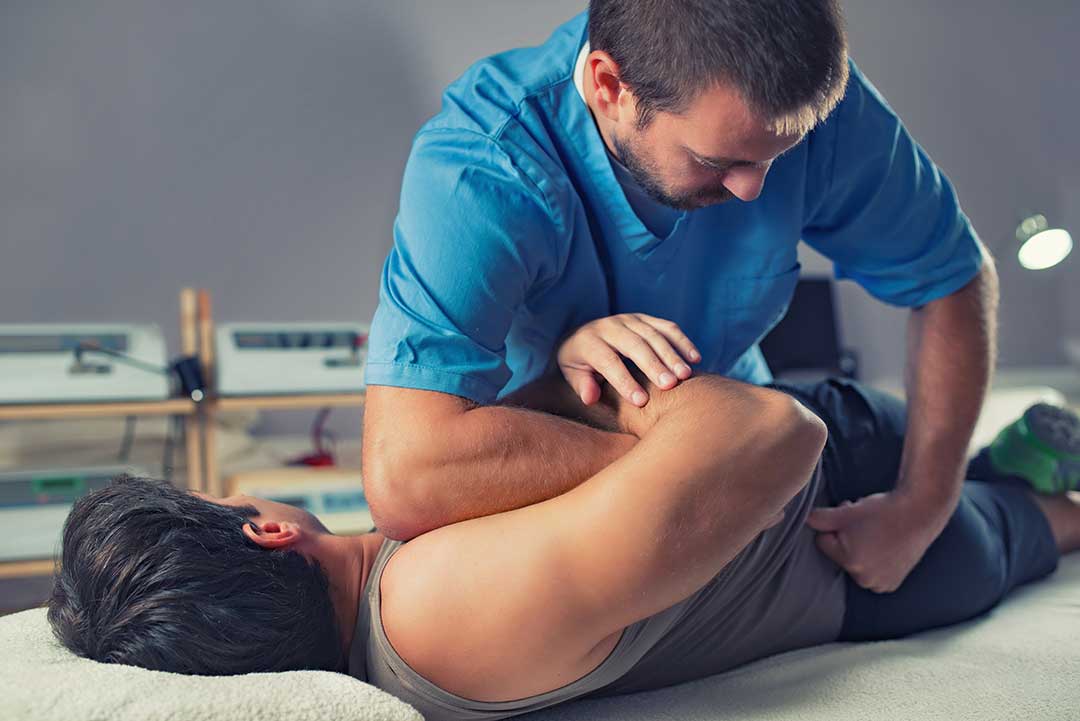
A typical session begins with a brief warm-up, such as light aerobic activity or moist heat, to increase circulation in the tight area. The chiropractor then applies a small amount of lotion to reduce friction. Using the instrument, they glide and scrape across the skin in a targeted way, paying special attention to "gritty" or bumpy regions where adhesions are present.
Sessions often last 10 to 20 minutes per area. Mild discomfort or a stinging sensation is common, especially over stubborn scar tissue. Some people notice temporary redness or light bruising; this is usually considered a normal response as increased blood flow and healing processes are triggered. A stretching or strengthening exercise routine may be recommended afterward to reinforce gains in movement.
Is the Graston Technique Safe, and Who Should Avoid It?
Most healthy adults tolerate this technique well, but it’s not the right option for everyone. The main situations where caution or avoidance is needed include:
- Bleeding disorders or use of anticoagulant medication
- Open wounds, rashes, or unhealed injuries at the treatment site
- Unexplained swelling, infection, or unexplained lumps
People with certain chronic illnesses should discuss any new therapy with a primary care provider to ensure safety. In general, for most acute strains or minor sprains, the approach is considered safe when performed by a trained professional. Residents concerned about bruising, soreness, or medical history should mention these factors openly before beginning treatment.
What Are Common Myths or Misunderstandings About the Graston Technique?
Some area residents may believe that therapies like Graston are painful or only for athletes, but research and clinical use suggest a broader application:
- Myth: It’s only for severe cases or post-surgical scars.
Fact: The technique can be helpful for everyday overuse problems and milder chronic tightness.
- Myth: If you bruise, the treatment was too rough.
Fact: Mild, short-term bruising is a common side effect and isn’t necessarily harmful.
- Myth: Improvement should be instant.
Fact: Most people need several sessions to notice meaningful change, especially for chronic issues.
Understanding these facts can help set realistic expectations for local residents curious about this option.
What Should Residents Know About Finding and Using Graston Therapy Locally?
In Jamestown, the use of specialized soft tissue techniques is growing but not universal. The level of training in using the tools can vary, so it’s always appropriate to ask about a practitioner’s education and experience. Chronic joint stiffness or muscle aches from seasonal work—like snow removal or gardening—may respond well, but results and suitability depend on individual health factors.
Graston is not a replacement for rehabilitation after major injuries or substitute for emergency care. Stubborn or worsening symptoms, unexplained swelling, or loss of function should prompt a medical evaluation, as more serious conditions may need different treatment.
How Can Residents Maximize Recovery and Comfort After Graston Sessions?
After a session, some redness or muscle soreness may appear. Residents may find these tips helpful for a quicker recovery:
- Apply a cold pack if redness or bruising is uncomfortable
- Perform gentle stretching or prescribed exercises as recommended
- Avoid heavy lifting or strenuous activity for a day or two
Getting enough hydration and rest, especially following periods of high physical activity or long stretches of inactivity, can support the healing process. Most people return to regular routines the same day, but it’s normal to feel some soreness for 24-48 hours.
